

The 2026 Madrid Open crowned Jannik Sinner and Marta Kostyuk as champions, and the secret to their success boiled down to one thing: staying calm under pressure.
Rafael Nadal once famously said, “I was with calm,” highlighting the difference between champions and ordinary players. It’s not just power or speed, but the ability to remain unshaken in adversity. In Madrid, two champions with contrasting journeys—one icy and one fiery—demonstrated the same elite mentality.
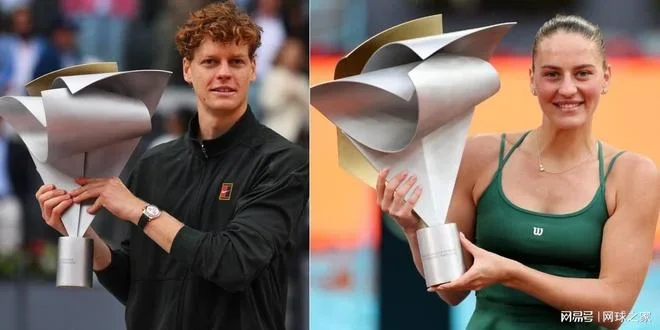
Sinner’s dominance in Madrid was almost flawless. In the final against Alexander Zverev, he needed just 57 minutes to win 6-1, 6-2, firing 19 winners with only five unforced errors and winning 93% of first-serve points. Zverev managed only 23 points and never earned a break point. Afterward, Zverev apologized to the crowd: “I played terribly, I’m very sorry.”
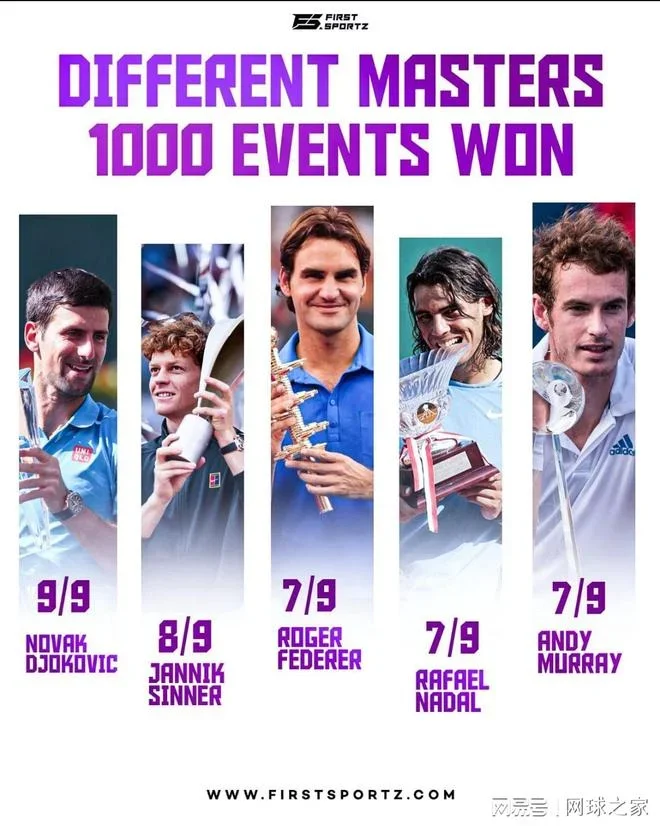
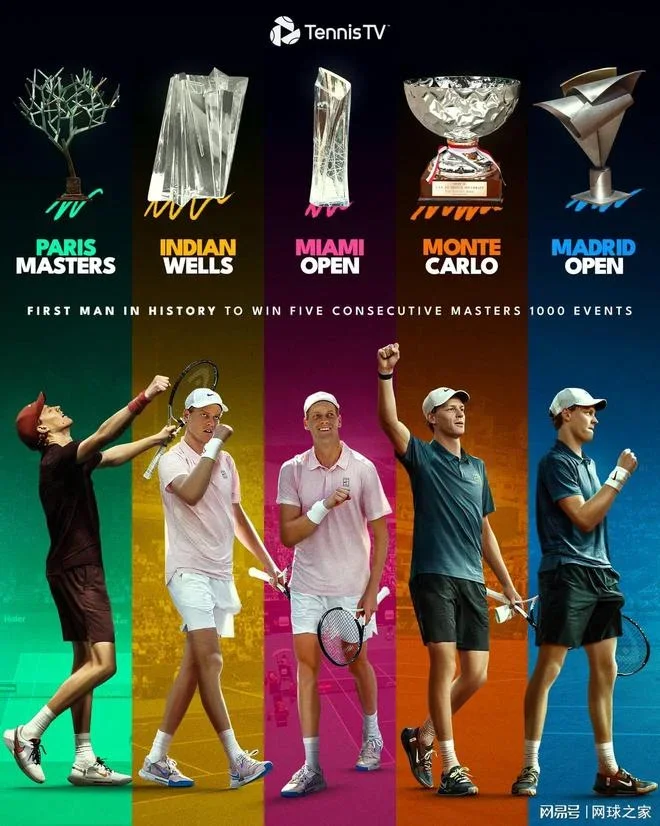
This was no fluke. Since late 2025, Sinner has won five consecutive Masters titles and 23 straight matches, becoming the first player in history to achieve such a streak. Many praise his technique and fitness, but what truly sets him apart is his innate calm.
In earlier matches against players like Cameron Norrie, Jakub Mensik, and Arthur Fils, Sinner faced fierce comebacks in the second set, with home crowds roaring. Against Spanish rising star Martin Landaluce, he faced five break points but saved every single one with three forehand winners, a lob, and a stunning backhand down the line. Landaluce could only cover his face in disbelief. Yet Sinner showed no emotion—no roar, no fist pump, just a quiet return to the baseline.
When asked about his consistency, Sinner replied calmly: “It’s daily discipline, sacrifice, and routine. Low points always come, it’s normal. But I trust myself every day, show up on time, and train hard.” His coolness isn’t an act; it’s a philosophy: not letting emotions or distractions affect the present point. This “ice-cold” nature allows him to play at his best even under pressure.
If Sinner’s calm is a gift, Marta Kostyuk’s composure is hard-won through years of struggle. The Ukrainian teenager burst onto the scene, reaching the Australian Open third round at 15, the youngest to do so since Martina Hingis. But her talent came with a devastating flaw: emotional meltdowns. A small mistake would trigger anger, leading to a cascade of errors. She described living in a “constant emotional bombardment” that drained her energy.
“It wasn’t a beautiful path, it was very ugly,” Kostyuk admitted in Madrid. To change, she underwent years of psychological therapy, slowly reshaping her relationship with tennis. She stopped seeing wins and losses as everything, telling herself: just go on court, do the job, don’t be tied to emotions. Whether winning or losing, keep working, become a better person and player.
This transformation exploded on red clay in 2026. She won in Rouen and then Madrid, claiming her first WTA 1000 title with 12 consecutive clay wins, jumping from No. 23 to No. 15 in the rankings.
In the final against Mirra Andreeva, Kostyuk led 40-0 at match point, then watched her serve falter and a backhand error cut the lead to 40-30. The tension was suffocating, but she didn’t break—no racquet smash, no outburst. She took a deep breath, charged the net, and won the point. When Andreeva’s reply sailed wide, Kostyuk collapsed on the clay, not in wild celebration but in relief. “I lived for years under high expectations. Early fame was almost a curse. When I freed myself from those chains, everything became incredible.”
The former “emotional bomb” became a cool champion, proving that calmness isn’t just a natural gift—it can be a cultivated superpower.
The Madrid Open delivered a powerful lesson: technique sets your floor, mentality sets your ceiling. Sinner and Kostyuk, one born cool and one reborn through therapy, both showed that the greatest weapon in tennis is a steady mind. The Big Three’s legends were built not just on shots but on iron will. Sinner’s 23-match winning streak shows that calmness can become dominance. Kostyuk’s 12-match streak shows that calmness can redeem a career. While we marvel at powerful groundstrokes and incredible angles, we should remember the invisible skills: breath, rhythm, focus, and stillness. In Madrid, the champions revealed the ultimate formula: the best technique paired with the steadiest mind.
